

There’s something almost embarrassing about admitting this, but here it is: sometimes I put on sad music and just… lean into it. I let the melancholy wash over me like a warm bath. And then the guilt shows up, right on schedule.
What kind of person chooses to feel sad?
But if you’ve ever found yourself drawn to a rainy afternoon, a bittersweet movie, or that one song that makes your chest ache in the best way, you already know this isn’t as strange as it sounds. You’re not broken. Not even close. This pull toward melancholy might be telling you something important about yourself— something worth understanding rather than pushing away.
When we fight against feeling sad, we often miss these hidden benefits. It’s like trying to skip winter— we forget that the dormant season serves a purpose, preparing the ground for new growth.
But why would we actively seek out sadness?
The answer lies in our emotional wiring and life experiences. Understanding feelings of sadness can provide us with a deeper perspective on joy and fulfillment, as every emotion serves a purpose in our emotional landscape. And here’s what I’ve seen again and again: grappling with sadness often leads to personal growth, resilience, and a greater appreciation for the highs and lows of life.
The Comfort of Familiar Pain
Sometimes sadness feels like putting on an old sweater— worn and familiar. This is especially true if we’ve spent significant time with difficult emotions in our past. Our brains create neural pathways that make certain emotional states feel more natural, even if they’re not necessarily healthy.
Here’s the thing: as we navigate through these emotions, it becomes essential to acknowledge them rather than suppress them. Understanding unexplained feelings can lead us to deeper insights about ourselves and our past experiences. By embracing the complexity of our emotions, we can begin to unravel the threads connecting us to those old, worn sentiments and pave the way for healing and growth.
We cling. That’s what we do in these moments— we cling to our sadness as if it were a form of comfort, wrapped in the nostalgia of our struggles. Understanding emotional intensity becomes crucial, as it allows us to navigate through these feelings without being consumed by them. By acknowledging our past experiences, we can gradually unravel the threads of our emotions and weave a healthier narrative for our future.
I remember a client who described it perfectly: “Being happy feels dangerous— like I’m waiting for the other shoe to drop. But sadness? I know exactly what to do with that.”
This familiarity can create a feedback loop. The more time we spend in sadness, the more comfortable it becomes. And that makes it harder to break free from its grip.
When Sadness Becomes a Shield
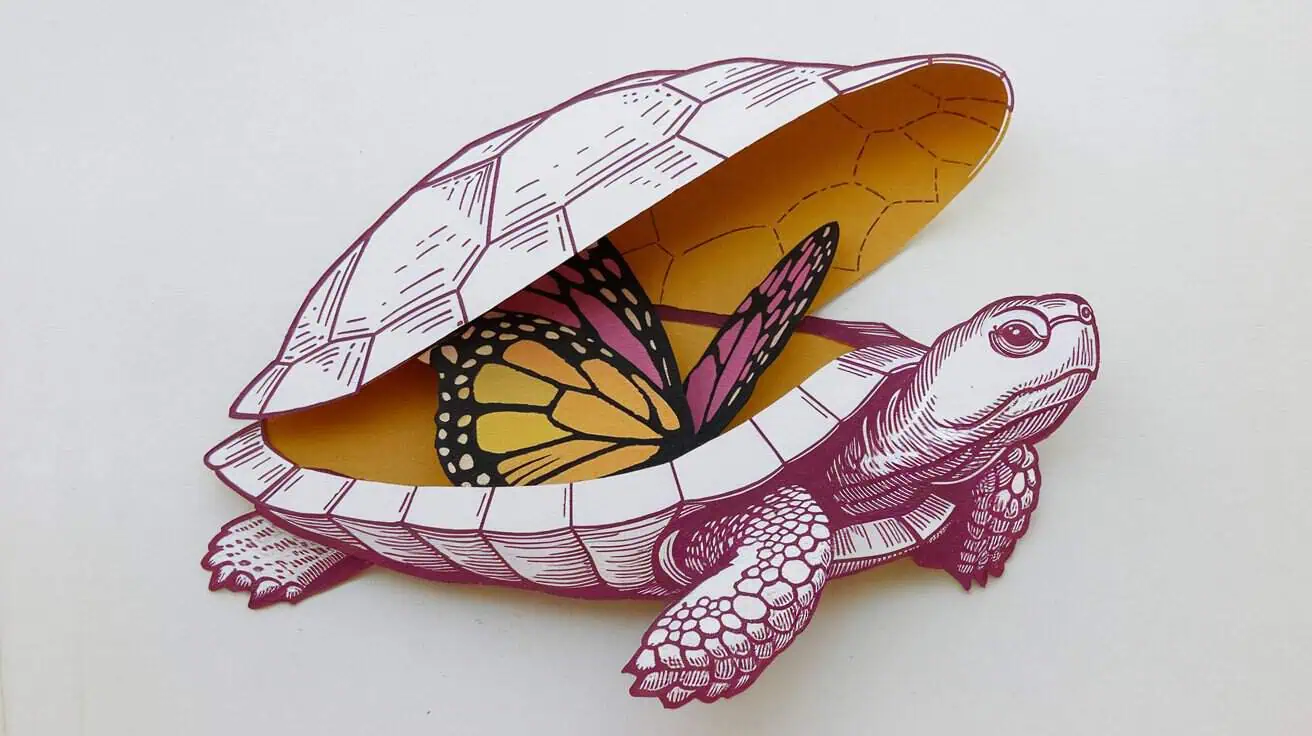
Sadness can also serve as a protective mechanism. Like a turtle retreating into its shell, we might use melancholy to guard against potential disappointment or pain. It’s as if we’re telling ourselves, “If I stay sad, nothing can hurt me more than I’m already hurting.”
In this way, sadness becomes a refuge. A dark corner. A place where we can wallow in our emotions without facing the unpredictability of the outside world. By embracing our sorrow, we might find a strange sense of safety, understanding comfort in sadness as a form of self-preservation.
Yet this cocoon can only shield us temporarily. Emerging from it is crucial to heal and re-engage with life’s joys and challenges.
But this protection comes at a cost. While it might feel safer in the moment, chronic sadness can prevent us from experiencing the full spectrum of life’s emotions and opportunities.
Finding Balance in Our Emotional Life
The goal isn’t to eliminate sadness— that would be like trying to remove all the minor chords from music. Instead, we can work toward a more balanced relationship with our emotions.
Start by practicing emotional awareness. Notice when you’re actively seeking sadness. Ask yourself: Is it serving a purpose? Is it helping you process something important, or has it become a habitual refuge?
If you realize that your attraction to sadness is habitual rather than meaningful, it might be time to redirect your focus. Consider how you can channel those emotions into actions that align with your goals and aspirations. In this journey of self-discovery, you may find yourself releasing unnecessary sorrow while also actively engaging in finding your life’s purpose.
Here are some ways to develop a healthier relationship with sadness:
- Acknowledge your feelings without judgment
- Set gentle boundaries around “sadness time”
- Gradually explore other emotional states
- Seek support when sadness becomes overwhelming
Remember that change doesn’t happen overnight. Just as a garden needs time to bloom, emotional growth requires patience and consistent care.
The Path Forward
Understanding why we like feeling sad doesn’t mean we need to stay there. Think of emotions like weather patterns— they’re meant to move through us, not become permanent conditions.
If you find yourself consistently drawn to sadness, know that you’re not alone. Many of us have walked this path. The key is recognizing when sadness has shifted from a natural part of life to a default state that’s holding us back.
Consider reaching out to a mental health professional if you feel stuck. They can help you understand your relationship with sadness and develop tools for emotional resilience.
And remember: embracing joy doesn’t mean betraying your depth or complexity. You can honor your capacity for deep feeling while also opening yourself to lighter emotions. By allowing yourself to experience happiness, you create room for a more balanced emotional landscape.
Embracing joy can enhance your interactions with others, enriching your life experiences and fostering deeper understanding. Exploring emotional connections in relationships can lead to profound growth and fulfillment, reminding you that lightness and depth can coexist beautifully.
What emotion might you be protecting with sadness? What small step could you take today toward a more balanced emotional life?
Your relationship with sadness is uniquely yours. But you don’t have to navigate it alone.
Share your thoughts in the comments below, and let’s support each other in finding emotional balance. Together, we can learn to appreciate sadness for what it is— one note in the complex symphony of human emotion— while ensuring it doesn’t become the only song we know how to sing.
Is it normal to enjoy feeling sad?
Yes. Many people find sadness meaningful and even comforting at times. Sadness can feel authentic when you’re tired of performing happiness, and it can create space for introspection and creativity. The key is whether the sadness is occasional and reflective or constant and debilitating.
Could enjoying sadness be a sign of depression?
Not necessarily, but it’s worth examining. Appreciating sad music or films is different from preferring to stay in prolonged sadness or using it to avoid life. If you’re withdrawing from activities you used to enjoy or if sadness interferes with daily functioning, that’s when it crosses into concerning territory.
Why does sadness sometimes feel more real than happiness?
Sadness often cuts through social performance and forces genuine connection with your inner experience. When you’re tired of pretending or maintaining appearances, melancholy can feel like permission to be honest about what you’re actually feeling. It’s a relief from the pressure to be constantly upbeat.
How do I know if my relationship with sadness is healthy?
A healthy relationship means you can visit sadness when it arises, gain insight from it, and then move through it naturally. It becomes unhealthy when you seek it out to avoid other emotions, use it to isolate yourself, or can’t access other emotional states when you want to.
Related Reading
Making Impact and Finding Purpose in Finance with Christan Hiscock
Thank you for this article, genuinely.