

Reading Time: est. 5 minutes
On this page
If Man’s Search for Meaning stayed with you, the books to read next fall into a few groups. For more from Frankl himself, read The Will to Meaning and Yes to Life. For the same clear-eyed look at mortality and what holds up at the end, When Breath Becomes Air and Being Mortal. For the existential question underneath it all, The Stranger. And for the gentler, story-shaped version of the same search, The Alchemist and A Grief Observed.
Frankl’s book does something rare. It looks straight at suffering and still finds a reason to keep going. People finish it and want to stay in that register a while longer. The seven below do, each from a different angle. If you want to go deeper on Frankl first, our reading guide to his books and the book review are good companions.
At a Glance
| Book | Best for |
|---|---|
| The Will to Meaning by Viktor Frankl | Going deeper on meaning as the core human drive |
| Yes to Life by Viktor Frankl | Frankl’s voice just after the camps |
| When Breath Becomes Air by Paul Kalanithi | A doctor facing his own death |
| Being Mortal by Atul Gawande | What matters most near the end of life |
| The Stranger by Albert Camus | The existential question in novel form |
| The Alchemist by Paulo Coelho | The search told as a fable |
| A Grief Observed by C.S. Lewis | Reading through loss while it’s still raw |
Several of these are on audiobook. New to Audible? You can start a membership trial and listen to one.
More from Frankl
The Will to Meaning by Viktor Frankl
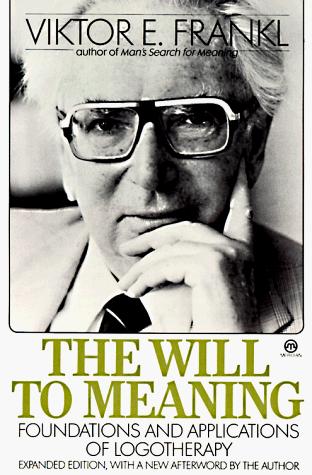
If Man’s Search for Meaning gave you the story and a glimpse of the theory, this is where Frankl lays out the theory in full. He argues that the deepest human drive is the search for meaning itself, more than pleasure or power, and he shows how logotherapy puts that to work. It reads like a longer conversation with the same mind, minus the memoir.
Best for: readers who wanted more of the ideas and less of the camp narrative.
Yes to Life by Viktor Frankl
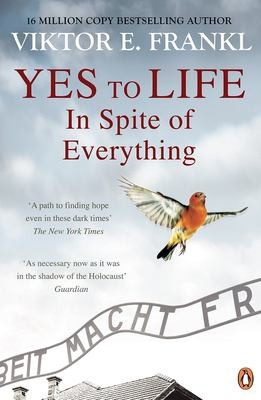
These are lectures Frankl gave within a year of leaving the camps, published in English only recently. The rawness is the point. He hadn’t yet smoothed his thinking into a system, and you can hear someone insisting that life is worth living while the wound is still open.
Best for: anyone who wants Frankl at his most immediate.
The same honesty about mortality
When Breath Becomes Air by Paul Kalanithi
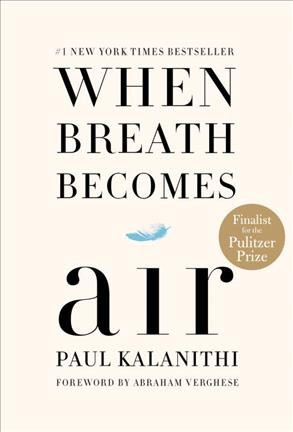
Kalanithi was a neurosurgeon who got a terminal cancer diagnosis in his thirties. He spent his last months writing about what makes a life worth living when you can count the time you have left. It’s short, beautifully written, and it asks Frankl’s question from the inside.
Best for: readers who want a memoir that meets mortality head-on.
Being Mortal by Atul Gawande
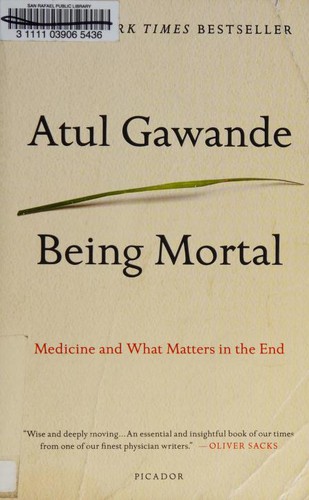
Gawande, a surgeon, looks at how medicine handles aging and dying, and how often it gets the priorities wrong. Underneath the reporting is a steady question: what actually matters to people near the end, and are we helping them get it? It pairs well with Kalanithi for a fuller picture.
Best for: anyone caring for an aging parent, or thinking about their own later years.
The philosophy underneath
The Stranger by Albert Camus
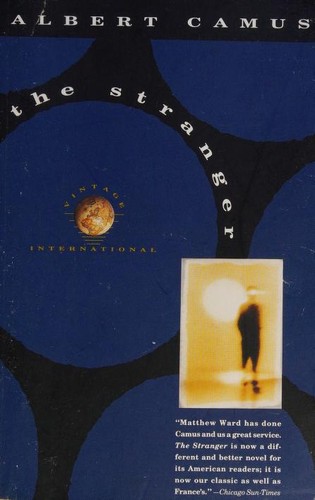
Frankl was answering a question the existentialists kept raising: if the universe hands us no built-in meaning, then what? Camus’s novel puts that question in a person, Meursault, who feels nothing the world tells him he should. Read it and you understand the void Frankl spent his life arguing against. Our review of The Stranger goes further if it grabs you.
Best for: readers ready for the harder, colder version of the question.
Gentler companions
The Alchemist by Paulo Coelho
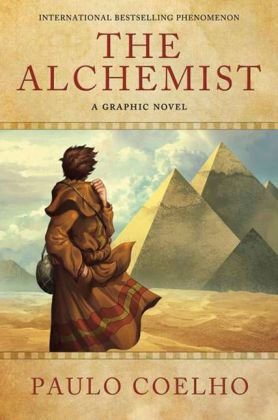
Coelho tells the search as a fable: a shepherd boy chasing a dream across the desert and learning what he was really after. It’s lighter than Frankl, and on purpose. If you want the same theme without the weight of the camps, start here.
Best for: readers who want the search told as a story.
A Grief Observed by C.S. Lewis
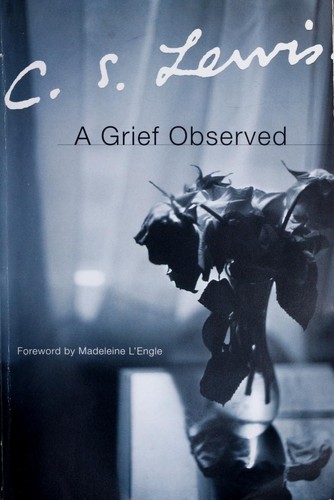
Lewis wrote this in the months after his wife died, and he didn’t tidy it up. It’s grief on the page as it happened, doubt and all. Like Frankl, he refuses easy comfort and keeps looking anyway. A short read that stays with you.
Best for: anyone reading through a loss of their own.
Frequently Asked Questions
What should I read right after Man’s Search for Meaning? If you want more of Frankl’s thinking, The Will to Meaning. If you want the same emotional register from a different writer, When Breath Becomes Air. Both pick up where the memoir leaves off.
Are these books as heavy as Frankl’s? Some are. When Breath Becomes Air, Being Mortal, and The Stranger sit with hard things. The Alchemist is the lightest on the list, and a good palate cleanser between the heavier ones.
Is there a reading order? No required order. A common path is more Frankl first (The Will to Meaning), then a mortality memoir (When Breath Becomes Air), then the philosophy (The Stranger) once you want the harder questions.
Want more on Frankl specifically? See our guide to all of Frankl’s books, the most quoted lines from Man’s Search for Meaning, and more books on finding purpose.