
I’ve lost count of how many times I’ve asked myself this question.
Not in the abstract, philosophical way you might discuss it over coffee. But in the urgent, middle-of-the-night way. The “what am I doing with my life” way.
“Why am I on this earth?” reflects your natural human drive to find meaning and purpose— what Viktor Frankl called our primary motivation. Research shows that people with a clear sense of purpose experience lower levels of depression and anxiety, greater resilience, and higher life satisfaction. You can discover your purpose through practices like life crafting, values clarification, and exploring where your gifts meet the world’s needs.
If you’re asking this question, you’re in good company. By the end of this article, you’ll understand why this question matters, what research says about purpose and wellbeing, and have five specific exercises you can use to start discovering your answer.
Why This Question Matters
“Why am I on this earth?” is one of the most human questions you can ask— and according to Viktor Frankl, the search for meaning is our primary motivation as humans.
While Freud said we’re driven by pleasure and Adler by power, Frankl argued we’re driven by the need for meaning and purpose. He developed this understanding the hard way— surviving Nazi concentration camps by finding meaning even in unimaginable suffering.
Frankl called the absence of meaning the “existential vacuum”— boredom, apathy, and despair. When we can’t find meaning, we experience what he called the defining illness of modern life. We feel lost.
This question often surfaces during transitions. A career change. The end of a relationship. A milestone birthday. The loss of someone you loved. These moments strip away the distractions and force us to confront the deeper question underneath everything else we’re doing.
Asking “why am I here” isn’t weakness. It’s not a crisis.
It’s deeply, profoundly human. And it’s the first step toward finding an answer.
The Science of Purpose and Wellbeing
Research consistently shows that having purpose in life is linked to lower depression and anxiety, greater stress resilience, and higher life satisfaction.
A meta-analysis from the American Psychiatric Association found that people with greater purpose experienced less stress across age, sex, race, ethnicity, and education levels. Purpose isn’t a luxury— it’s linked to fundamental wellbeing.
Mental health — Having purpose in life was significantly associated with lower levels of depression and anxiety. This isn’t weak correlation— it’s a robust finding across dozens of studies.
Resilience — Purpose builds greater resilience after exposure to negative events. When life knocks you down, purpose gives you a reason to get back up.
Life satisfaction — People with a clear sense of purpose report 23% higher life satisfaction across all life domains— work, relationships, personal growth.
The research from Johns Hopkins, the American Psychiatric Association, and positive psychology institutions consistently points to the same truth— purpose isn’t optional for thriving. It’s foundational.
I love that this isn’t woo-woo philosophy. This is measurable, documented, real.
The research is clear— finding an answer to “why am I on this earth” genuinely matters for your wellbeing.
So how do you actually discover your purpose?
Frameworks for Discovering Your Purpose
Multiple research-backed frameworks can help you discover your purpose— Viktor Frankl’s logotherapy, the Japanese concept of ikigai, and the positive psychology approach of life crafting.
No single framework works for everyone— the best approach is the one that resonates with how you think about your life.
Logotherapy (Viktor Frankl)
Logotherapy addresses the fundamental question— “Why am I here? What’s the point of all this?”
Frankl identified three pathways to meaning—
- Creative — What we give to the world through our work and actions
- Experiential — What we receive from the world— relationships, beauty, love
- Attitudinal — How we respond to suffering we can’t change
Even in suffering, meaning can be found. This was Frankl’s revolutionary insight. You don’t need perfect circumstances to have purpose. You need to find meaning in the circumstances you have.
Ikigai (Japanese Concept)
Ikigai means “a reason for living; what makes life worth living.” The word combines iki (life/alive) and kai (effect/value).
You’ve probably seen the Western Venn diagram with four circles— what you love, what you’re good at, what the world needs, and what you can be paid for. That diagram was created by Marc Winn— it’s a Western adaptation, not the traditional Japanese concept. But it’s useful.
The original Japanese idea is simpler— what makes getting up in the morning worthwhile? What gives your life a sense of value?
Research shows ikigai influences immune function, increases life expectancy, and reduces anxiety while improving resilience. Having a reason for being literally affects your health.
Life Crafting (Positive Psychology)
Life crafting is an evidence-based approach from positive psychology research. It combines reflection with intentional design.
The process includes seven key elements— discovering your values, reflecting on your competencies, considering your social life, evaluating your career, envisioning your ideal future, creating goal plans, and making public commitments.
Life crafting treats purpose as something you create, not just discover.
You’re not searching for a hidden answer. You’re actively designing a life that feels meaningful.
Framework Comparison:
| Framework | Origin | Core Question | Best For |
|---|---|---|---|
| Logotherapy | Viktor Frankl | How can I find meaning even in suffering? | Those facing adversity or seeking philosophical depth |
| Ikigai | Japanese tradition | What makes getting up in the morning worthwhile? | Those seeking holistic life integration |
| Life Crafting | Positive psychology | How can I intentionally design a meaningful life? | Those who want structured, evidence-based process |
Each of these approaches offers something different. Use the framework that speaks to you.
Practical Exercises for Discovering Your Purpose
To discover your purpose, explore these research-backed exercises— values clarification, the “contributions” reflection, peak experiences analysis, and the “what breaks your heart” inquiry.
Your purpose has been speaking to you all along. It whispers through the activities that light you up, the injustices that break your heart, the dreams that won’t let you sleep.
Exercise 1: Values Clarification
Your values are the foundation of purpose. What principles actually guide your choices?
Not the values you think you should have— the ones you live by.
Ask yourself— What would I sacrifice for? What can’t I compromise on? What makes me angry when I see it violated?
Values aren’t abstract. They show up in how you spend your time, what you fight for, and what you can’t let go.
Exercise 2: The Contributions Question
Purpose is about impact on others. True purpose is personally meaningful AND makes a positive difference in the world.
What contribution do you want to make? Not what you want to get— what you want to give.
This shifts the frame entirely. Instead of “what will make me happy,” ask “what needs doing that I’m uniquely positioned to do?”
Exercise 3: Peak Experiences Analysis
When have you felt most alive? Most engaged? Most yourself?
Reflect on those moments. What were you doing? Who were you with? What made it matter?
These peak experiences reveal what you’re built for. They’re clues.
Exercise 4: What Breaks Your Heart?
This is the one most people skip— and it’s often the most revealing.
What injustices or problems move you to action? What would you fix if you could? What makes you so angry you can’t stay silent?
Anger and heartbreak often point toward purpose. They show you what you care about deeply enough to fight for.
Exercise 5: Gifts Meets Needs
Where do your unique abilities meet the world’s needs?
Not just what you’re good at— what you’re uniquely positioned to offer.
Try this: List 3-5 unique abilities you have (skills, perspectives, experiences). Then list 3-5 needs you see in your community, your field, or the world. Where do they overlap?
Purpose emerges at this intersection. Your gifts. The world’s need. Where they overlap, you’ll find your reason for being.
Do the exercises. Don’t just read about them— actually do them. Reading about purpose isn’t the same as discovering it.
What If You Can’t Find Your Purpose?
If you can’t find a clear purpose, that’s normal— purpose often emerges gradually through exploration rather than arriving in a single “aha” moment.
Some people gain clarity quickly. For others, it takes years.
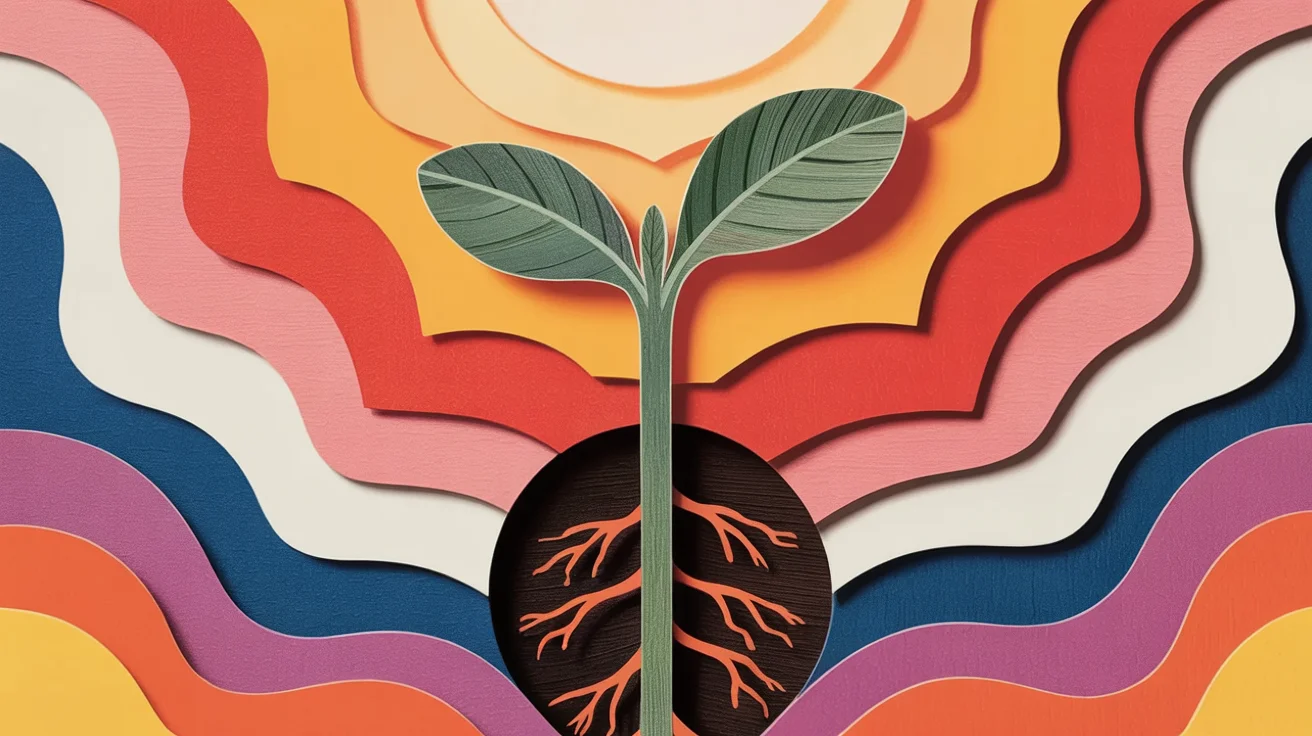
The purpose of human life isn’t a one-size-fits-all answer written in the stars. It’s more like a seed within each of us, waiting to be discovered and nurtured into something uniquely beautiful.
Purpose is practice, not destination. It evolves as you grow, learn, and move through different life stages. What gives your life meaning at 25 may look different at 45— and that’s normal.
Here’s what I want you to know if you’re still searching—
Start with contribution. You don’t need to find your grand life purpose today. You can ask— how can I help others right now? Purpose often emerges through living, not just thinking. Clarity follows service more often than service follows clarity.
Accept uncertainty as part of the journey. Not knowing your purpose doesn’t mean you don’t have one. It means you’re still discovering it. That’s okay.
Seek support if you need it. If you’re experiencing persistent hopelessness or depression, that’s beyond purpose work— talk to a professional. There’s no shame in getting help.
You don’t need a map. You need to take the next step.
Frequently Asked Questions
Why do I keep asking “why am I here”?
This question reflects your natural human drive to find meaning— what Viktor Frankl called our primary motivation. It’s healthy and normal to ask, especially during transitions or challenges. The question itself is evidence that you’re wired for something more than just existing.
How long does it take to find your purpose?
Finding purpose is typically a journey, not a single moment. Life crafting research suggests ongoing practices like values reflection and goal-setting help develop purpose over time. Some people gain clarity quickly; for others it takes years. There’s no timer on this.
Can purpose change over time?
Yes. Purpose often evolves as you grow, learn, and move through different life stages. What gives your life meaning at 25 may look different at 45— and that’s completely normal. You’re allowed to change. Your purpose is allowed to change with you.
What if I never find a clear purpose?
Purpose isn’t always a clear destination— it can be a practice of living according to your values and contributing to others. Focus on what energizes you and where you can make a positive impact. Sometimes purpose is discovered in retrospect, by looking back at a life well-lived and seeing the thread.
Finding Your Answer
“Why am I on this earth?” is one of the most important questions you can ask.
The answer isn’t found in religious prescriptions or empty self-help affirmations. It’s found through research-backed frameworks— logotherapy, ikigai, life crafting— and practical exercises that help you discover what’s already true about you.
Research shows purpose matters— lower depression, greater resilience, higher life satisfaction. This isn’t abstract philosophy. It’s measurable and real.
You now have three frameworks and five exercises. Use what resonates. Pay attention to what lights you up, what breaks your heart, where your gifts meet the world’s needs.
Purpose is often a journey, not a destination. It emerges through exploration, contribution, and living the questions rather than rushing to answers.
You don’t need everything figured out today. You need to do one exercise. Ask one question. Take one step.
If you’re ready to go deeper, explore finding purpose in life or understand why you feel lost. You’re not alone in this.
If you’re asking “why am I on this earth,” you’re already doing the work. The question itself is evidence that you’re wired for something more than just existing.
The seed is already there. You’re just learning to nurture it.
I believe in you.